


Potiriadi I., Christopoulou A., Dimitrakopoulos P.G. & Arianoutsou M. (2026) Creative destruction: from fire ecology to management principles—a conceptual review. Frontiers in Forests and Global Change 9:1882526
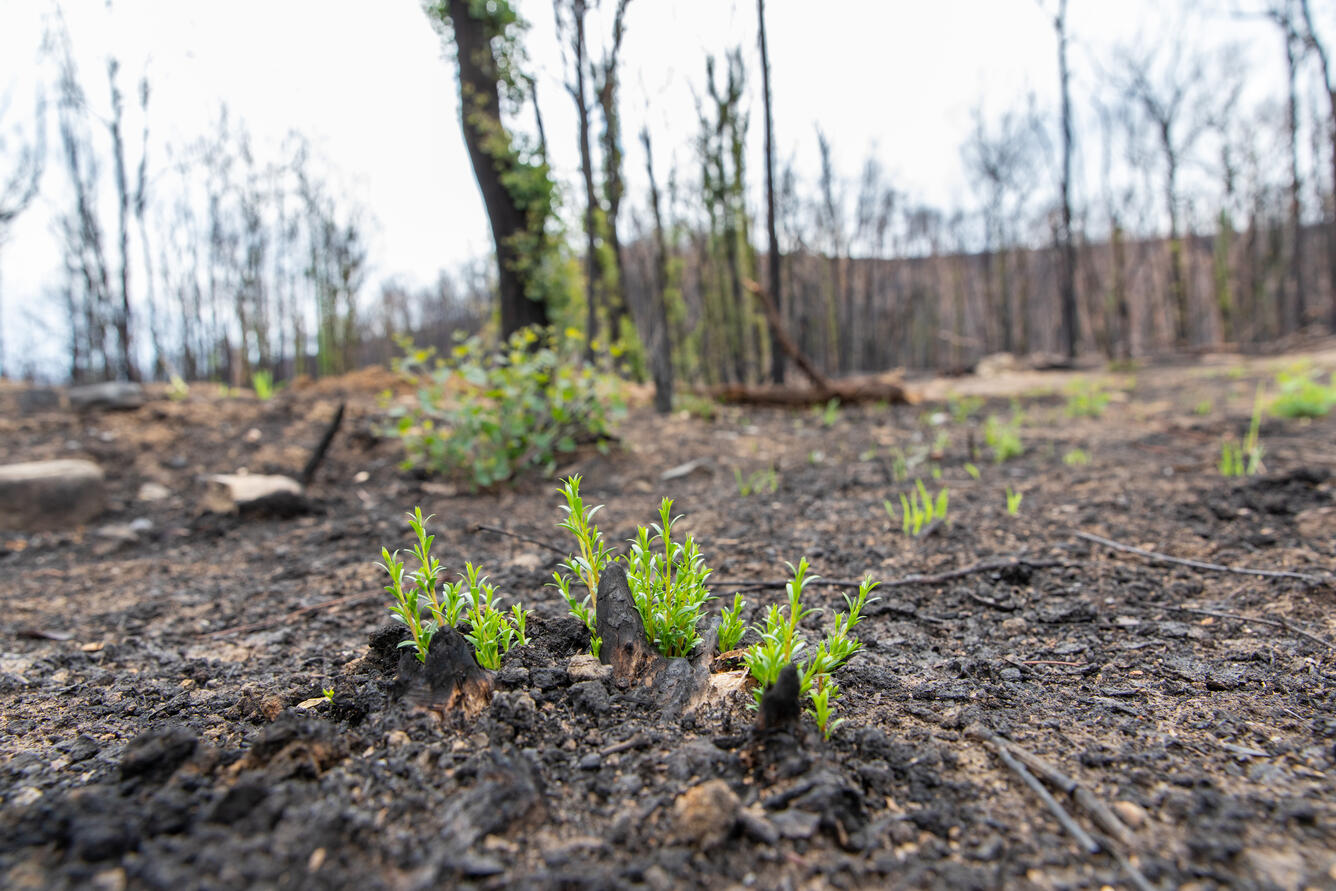
This conceptual review aims to synthesize fire management principles that have the potential to restore and conserve biodiversity and ecosystem processes, avert catastrophic events and ensure the sustainable use of ecosystem resources, goals that are often perceived as conflicting but can be addressed synergistically. To achieve this, we first examine the role of fire in natural systems. Fire regimes operating across specific spatiotemporal scales and exhibiting particular patterns are conceptualized as potentially creative, regulating species diversity, ecosystem resilience and landscape configuration. Within the contemporary Non-Equilibrium ecological paradigm, the structural and creative role of fire is analyzed across four domains: evolution, community assembly, landscape structure and ecosystem functioning. Building on this framework, we identify key conceptual principles for managing anthropogenic fire disturbances as creative ecological drivers. To further substantiate fire management principles and management’s creative potential, we critically assess a series of fire-related case studies in mediterranean-type ecosystems: managed wildfires, prescribed burning, pyrosilviculture, cultural burning and shepherding for wildfire adaptation. The results of ecological theory and empirical evidence highlight the capacity of fire management to regulate community assembly, facilitate species co-existence, generate landscape heterogeneity, influence ecosystem processes, and shape evolutionary trajectories. We argue that these insights support a paradigm shift in contemporary fire management: from a predominantly suppressive and preventive approach to one that recognizes fire as a creative tool for integrated and adaptive interventions in fire-prone landscapes.